
"slightly inferior"
800 article(s) found

A brief introduction to the producing area of Ethiopian coffee beans by taste and flavor description method
Brief introduction to the producing area of Ethiopian coffee beans grown on the plateau of 4900-5900 feet (Wollega province) above sea level in Western Ethiopia, north of Jima, most of them are wild, with an annual output of about 500000bags/60kg, and most of them are exported to G5/G4. The beans are larger and longer than Longberry, with a little brown in green, similar to the taste of jasmine tea, bitter, and lack of upsurge.

A brief introduction to the cultivation of Yemeni boutique coffee beans with unique flavor, geographical location, climate and altitude
Yemeni coffee market: Yemeni coffee is exported from December to April of the following year. The problem in the past has been that coffee from the north was mixed with shoddy stuff before it was shipped from the southern port of Aden. Only coffee shipped from the port of Hodeida can be determined to come from the north. The vast majority of coffee in Yemen is grown under natural conditions, mainly

Description of the Flavor of Coffee in Sidamo, Ethiopia
Description of the Flavor of Coffee in Sidamo, Ethiopia the grinding scale area grows on the plateau of 4900-5900 feet (Wollega province) above sea level in Western Ethiopia, north of Jima, mostly wild, with an annual output of about 500000bags/60kg, mostly exported to G5/G4, with beans larger and longer than Longberry, brownish in green, similar to jasmine tea in taste and more bitter.
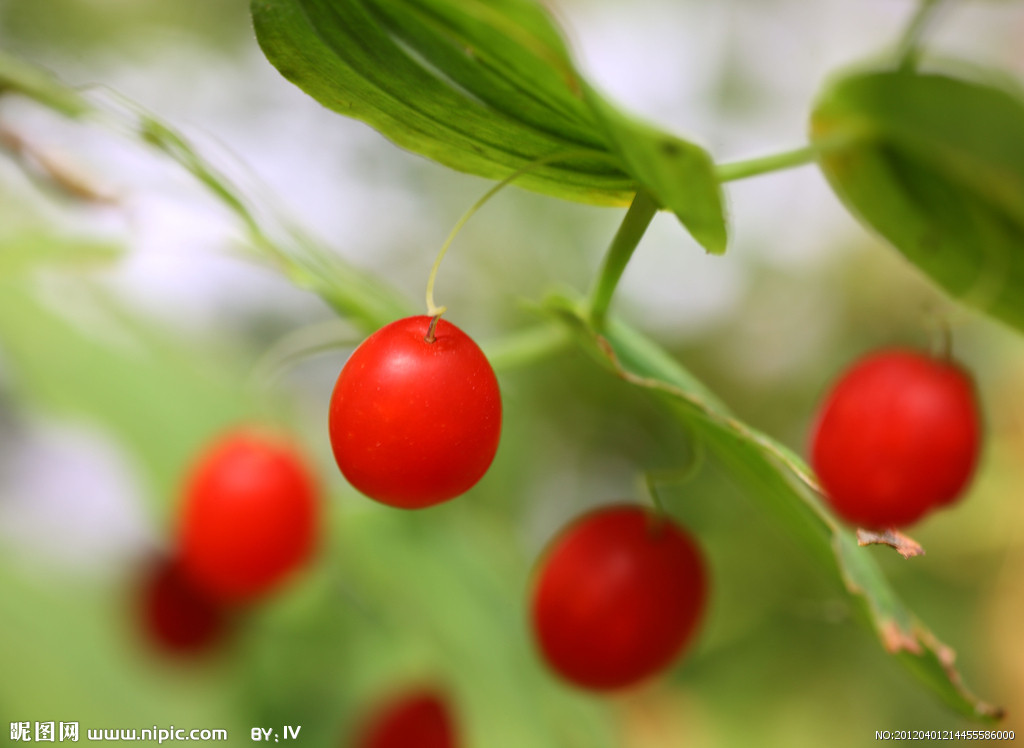
Djimmah producing area Ethiopian boutique coffee beans African flavor coffee
Yega Chefe and Sidamo, which are famous for their bright sour taste, are famous for their charming and mixed fragrance, while the western half of the forest is covered with a large area of primeval forest, mostly in the process of complete natural evolution, creating a more complex variety of coffee. The coffee varieties in the Kafa forest in the southwest are extremely resistant to disease. Due to natural evolution and less manual screening, its overall flavor is slightly lower than that of the eastern half of the wall. The coffee producing areas of Ethiopia are

The Origin of Coffee in the World an introduction to the coffee bean producing areas in Ethiopia
Ethiopia is the hometown of Arabica coffee, and it is in the forests of Kaffa that you can see wild Arabica coffee. In Ethiopian, coffee is called Bun or Buna, and coffee beans (coffeebean) may be translated from Kaffa Bun. Arabica coffee was discovered early in the Harar area and is likely to come.

Description of flavor and taste characteristics of Nicaraguan coffee. Nicaraguan coffee.
The growing conditions in Nicaragua are not inferior to those in Central American countries, and the coffee produced by small farmers is characterized by a refreshing and balanced taste. What is amazing is that the coffee produced by small farmers is as clean and bright as Costa Rican coffee in shallow roasting, with a sour, delicate and soft amorous feelings, while deep roasting exudes the sweet, full-bodied and mellow taste of Colombian coffee. Jinotega and Madhaelba

A brief introduction to the flavor and aroma characteristics of Panamanian Cupid coffee beans with jasmine fragrant citrus
Old Hartman Ratibor Hartmann Troetsch inherited his father's coffee business in Santa Barbara, the Volca producing area, and established Hartman Manor in 1940. It can be said that Hartman Manor is the pioneer and representative of Volcan coffee producing area. Hartman Manor is located in the Balu volcanic area, the soil is nutrient-rich volcanic soil, and the lush virgin forest forms the best shade cultivation ring.

Flavor description of Manor Coffee from Sidamo, Ethiopia
Flavor description of manor coffee from Sidamo, Ethiopia Sidamo is a famous boutique coffee producing area in Ethiopia, and the well-known Yegashifi coffee beans are produced in the town of Yegashefi. This batch of coffee from Sidamo Deri Kochowa, in addition to having the same clean citrus aroma as Yega Chuefei, it also has frank floral and floral aromas.

Introduction of Los Congo Manor Coffee with slightly sour and moist characteristics
Los Congo Manor is located in the town of San Fernando in New Segovia, Nicaragua, in the north of Nicaragua, near the Honduran border, which is the highest producing area in Nicaragua. Near the other side of it, it is also the best producing area in Honduras. Nicaraguan Coffee Bean wbr Powder Wbrros Congo Manor 2011 COE Runner-up single wbr Bourbon Kaddura
Roasting and taste of coffee beans from different origins
Panama SHB has a good aroma and taste. Aromas are also so-called high and low, while Panama coffee beans are high, taste balance is good, some acid, high maturity and uniform bean quality. Beans thin meat, so with good heat, not easy to produce uneven baking situation. The taste purity is high, the beans have no different size state, so there is no miscellaneous taste. big

An introduction to the Flavor description of Daquan Manor in Sidamo Coffee Bean producing area of Ethiopia
Description of the flavor of Daquan Manor, a coffee bean producing area in Sidamo, Ethiopia. Growing in the western highlands of southern Ethiopia (the border of Shewa and Sidmo provinces), east of Jima and north of Sidamo, it is preferred by most Europeans and Americans at an altitude of 3600-6200 feet. Its annual output is about 110000bags/60kg, and most of the beans are round (15/16scr).

What are the grades of Kenyan coffee beans?
Coffee beans in Kenya are graded by particle size, usually divided into AA, AB, C, T, TT, MH, ML and other grades, and the quality is also in descending order. AA+ is the highest grade of Kenyan coffee, and only batches with particularly good flavor and few defects are allowed to do so. In the 1930s, a Tanzanian species was used by the Scott Lab in Kenya.

What is the most caffeinated coffee in common coffee trees?
Ethel sa is a variety that was discovered in 1904 and originated in the Charlie River Basin in Africa. It has small fruit and high yield per plant, especially a drought-resistant variety. The product has a strong flavor, slightly bitter taste and less cultivation. What are the types of coffee trees? There are four common varieties of coffee trees, and the editor has introduced them to you. Different varieties of coffee beans have different flavors, but that is

Introduction to the characteristics of Coffee Bean Flavor description and taste treatment in Sidamo, Ethiopia
Flavor description of coffee beans in Sidamo, Ethiopia: dry aroma: berries, tropical fruits, fermented wine, jujube, tea, milk chocolate. Wet aroma: medium sweet and sour aromas of sun berries, citrus, slightly fermented fruit, fruit wine. Palate: comfortable and interesting sour fruit, good sweetness and low thickness. Recommended production method

Flavor characteristics of African Ugandan coffee comparison between African Ugandan coffee and Vietnamese coffee
For the exchange of professional baristas, please pay attention to the coffee workshop (Wechat official account cafe_style) Bolivian coffee: Bolivian coffee has the advantages of high altitude and excellent coffee varieties, where the traditional Tibica and a small amount of Kaddura are highly valued on the world market. In the past, coffee trees in Bolivia used to act as hedges and ornaments around the garden.
What are the grades of Kenyan coffee beans?
Coffee beans in Kenya are graded by particle size, usually divided into AA, AB, C, T, TT, MH, ML and other grades, and the quality is also in descending order. AA+ is the highest grade of Kenyan coffee, and only batches with particularly good flavor and few defects are allowed to do so. In the 1930s, a Tanzanian species was used by the Scott Lab in Kenya.

Ethiopia where coffee beans are produced Brand flavor Manor production area introduction
Ethiopian coffee grows in the plateau of western Ethiopia at an altitude of 4900-5900 feet (Wollega Province), north of Jima. Most of it is wild, with an annual yield of about 500000bags/60kg. Most of the exports are G5/G4. The beans are larger and longer than Longberry. The green color is a little brown. The taste is similar to jasmine tea. It is bitter, lacks the rising hala, slightly sour, and has a slight fruit fragrance and wine fragrance.

Kona Coffee is Arabica. Kona Coffee beans are grown in beautiful Hawaii.
Professional coffee knowledge exchange More coffee bean information Please pay attention to Coffee Workshop (Weixin Official Accounts cafe_style) Front Street-Kona Coffee Hawaii Kona Coffee Color: Color between Blue Mountain and Mantenin Taste: sour and sweet, long aftertaste, slightly bitter Variety Encyclopedia: Kona Coffee, planted on the southwest coast of Hawaii, on the slope of Mauna Loa volcano. Kona is like Hawaii sunshine.

How about Indonesian coffee? What is the quality of Indonesian coffee? What is the real seal?
The mellow thickness of Asian coffee is higher than that of Central and South American and African beans, but its sour taste is lower, with slightly sunken wood, herb, spice and earthy flavor, and its low and stuffy aroma is higher than that of rising sour flavor. At the end of the 17th century, the Dutch East India Company transplanted Indian Arabica trees (Tibica) to Jakarta, Java. Due to the favorable climate and soil, Arabica quickly spread to Sumatra in Java.

Flavor description of coffee beans in Sidamo region introduction to the taste of varieties treated by grinding scale
Description of Flavor of Coffee beans in Sidamo production area; Grinding scale method; taste introduction: Ethiopia is 4900-5900 feet above sea level (Wollega province) plateau, north of Jima, mostly wild, annual output is about 500000bags/60kg, export is mostly G5/G4, bean body is larger and longer than Longberry, brownish in green, taste similar to less jasmine tea, bitter taste, lack of rising.